
Nervous About the Dentist? What We Do Differently
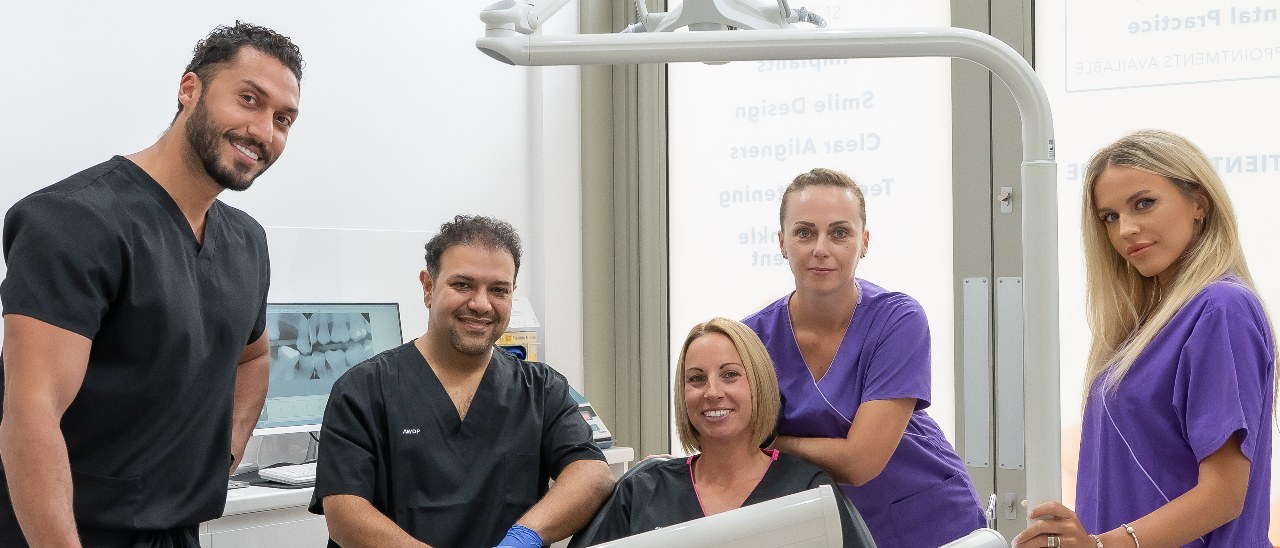
For most nervous patients the barrier is not the treatment. It is the embarrassment about how long it has been. Here is how we handle that.
For most people who describe themselves as nervous, the drill is not the main problem. The main problem is the gap. Two years, ten years, longer. The longer it goes on, the harder it becomes to pick up the phone, because you are no longer only booking an appointment, you are admitting to something.
So that is the part worth addressing first. We do not comment on how long it has been. We are not going to ask you to account for it, and we do not think less of anybody who has stayed away. It is one of the most common things we see and it says nothing about you as a person.
What a first visit actually involves
It is a conversation followed by a look. You sit down, we ask what brought you in, and you say as much or as little as you want to. Then we examine your teeth, gums, bite and the soft tissues of your mouth, describing what we see as we go rather than talking over your head to a nurse.
Nothing is done to you at that appointment unless you want it to be. You can come in, be examined, take away a written plan and book nothing at all. Some people do exactly that, then come back weeks later when they have had time to sit with it.
It is also fine to come in just to see the place. Some patients ask to sit in the chair without being examined at all, simply to take the room in and meet whoever will be treating them. That is a reasonable request and we are used to it.
Agreeing a signal before we start
The thing most nervous patients are really afraid of is not being able to stop. It is hard to speak with instruments in your mouth, and that helplessness is what sticks in the memory from a bad experience years ago.
So we agree a signal before anything begins. Usually raising a hand. When you use it we stop, straight away, without you needing to explain why. You do not have to justify it and you will not be asked to push on for another minute. Knowing you can stop is often enough to mean you never need to.
Being told what is coming
Surprises are what make people flinch. We say what we are about to do before we do it, in plain words. You will hear when something is going to feel cold, when there will be pressure, and roughly how long a part of the appointment will take.
Other small things help more than people expect. Booking the quietest time of day. Bringing someone with you. Your own headphones, which cover most of the sounds people find difficult. Splitting treatment into several shorter appointments rather than one long one. None of these are unusual requests and you do not have to justify asking.
Where treatment is needed, we usually start with something small. A clean, a simple filling, something that finishes quickly and goes well. Building up from there is far easier than beginning with the biggest item on the list, and it gives you evidence about how it feels here rather than asking you to take our word for it.
General Dentistry
Everyday dental care for the whole family.
View General DentistryIf the worry is cost
Sometimes the nervousness is not about pain at all. It is the fear of being told the bill will be enormous. We understand that, and it is why you leave with a written plan setting out the options rather than a figure said out loud while you are still lying in the chair.
You can take the plan away, read it and decide in your own time. Nobody chases you. If money means doing things in stages, say so and we will sequence the work so the most important things happen first.
Where to start
Tell us you are nervous when you get in touch. That single sentence changes how we plan the appointment, and it means the team is expecting you rather than finding out once you are in the chair. Our page for nervous patients sets out the whole of a first visit in more detail if you would like to read it before you decide.
We are in Abbey Wood and we see people in exactly your position most weeks. Whenever you are ready is the right time.
One appointment is enough to find out whether this feels manageable. You are not committing to a course of treatment by being examined, and you are not committing to us by coming once. If it turns out you would rather be seen somewhere else afterwards, we will send your records on without any awkwardness.
If ringing is the part you dread, use the contact form or send a message instead and write that you are nervous. Nobody will press you for detail, and the first thing you hear back will be about finding a time rather than about treatment.
Related treatments
Have a question for our team?
We are always happy to chat through any concerns or treatment options. Send us a quick message and we will reply during opening hours.
Book a Visit